Latest from BCA Research

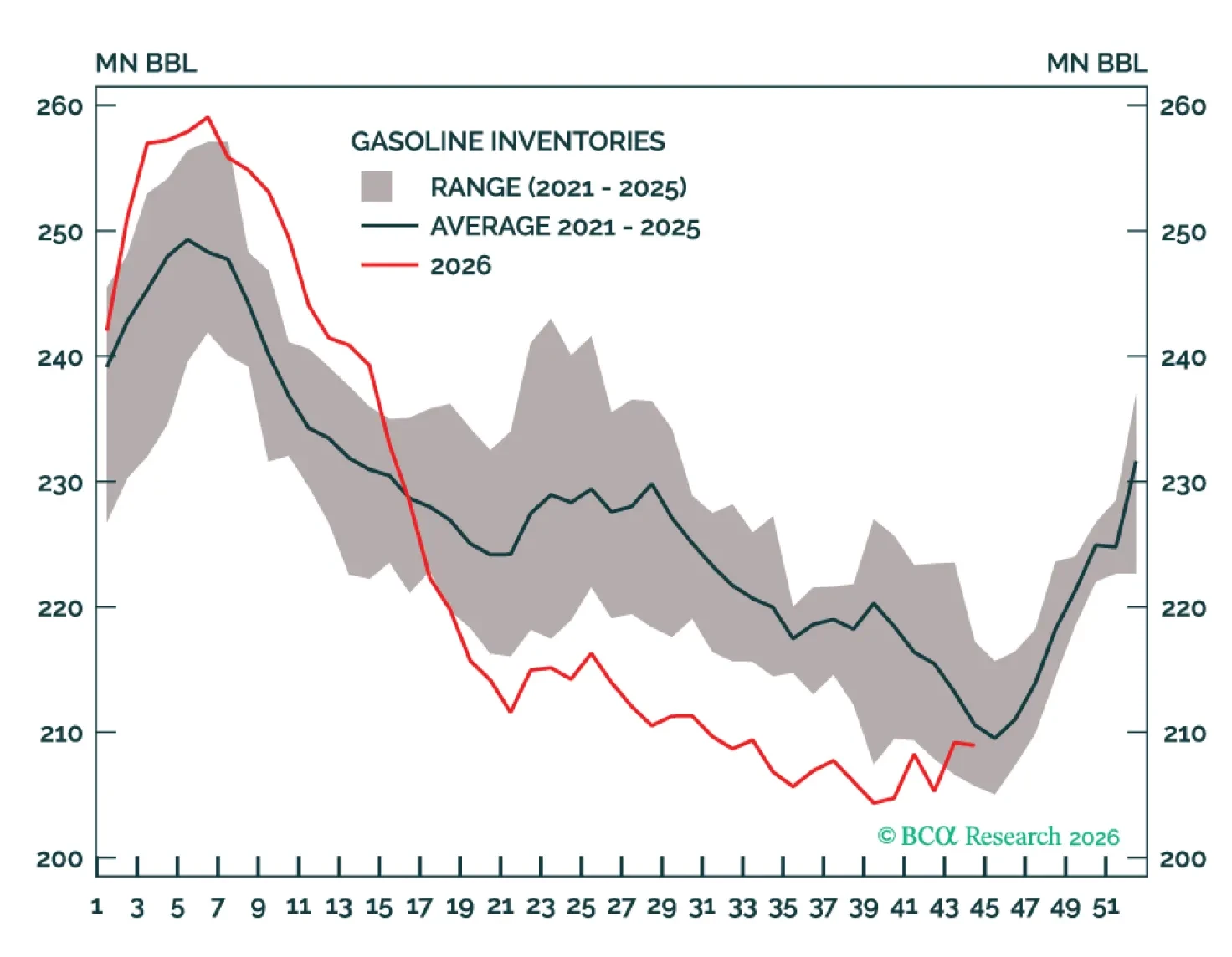
US institutions are prevailing over an unorthodox personality, implying policy adjustment and a decent backdrop for equity markets. But the Iran war is an immediate and acute risk to the global macro and market outlook.


In a month when Tech dragged the market lower, USHQ’s quality tilt paid off, beating the benchmark by 238bps with gains spread across the portfolio. USHQ SMID lagged in October but remains ahead of its benchmark since June.
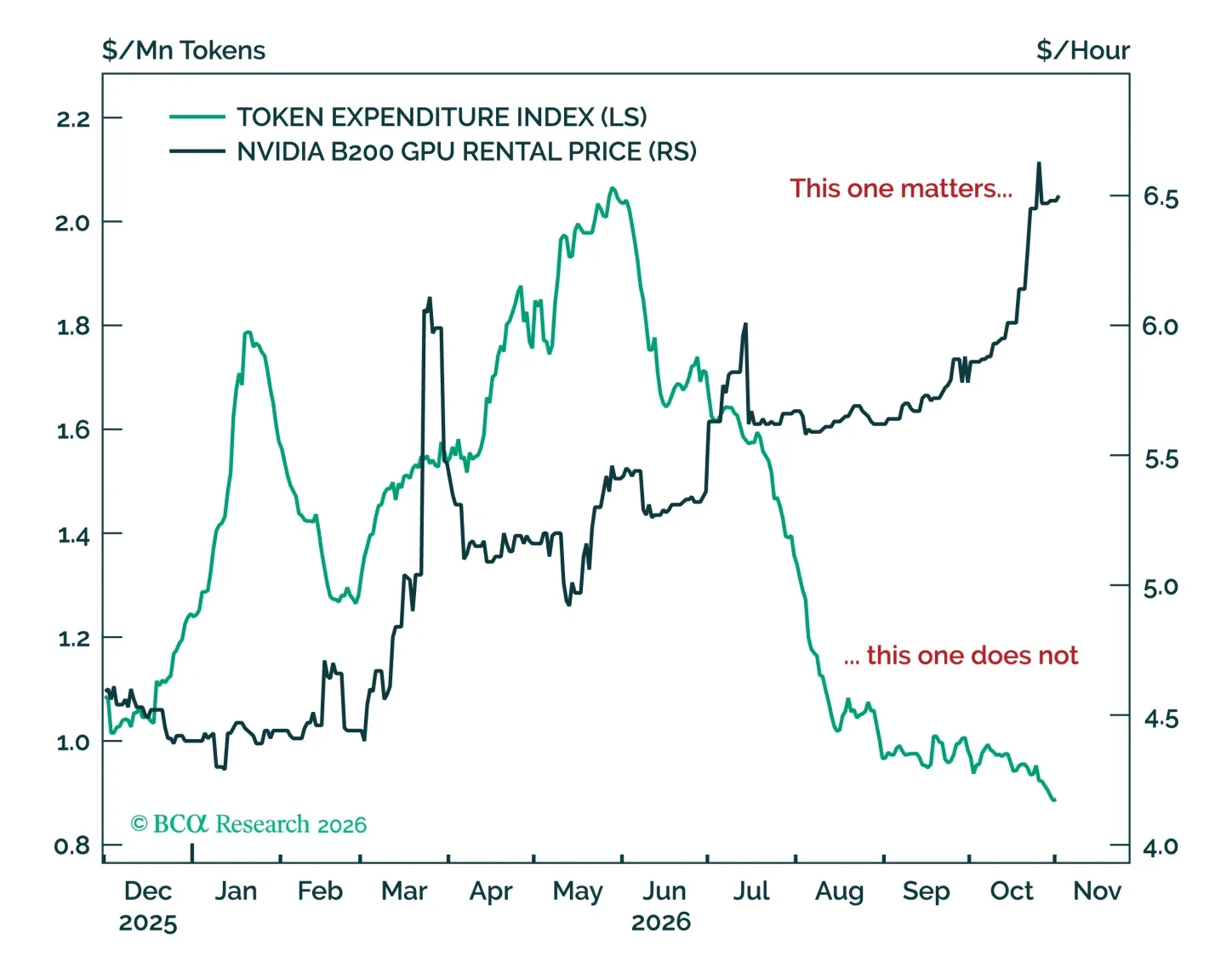
October has been a bad month for equities — particularly AI/tech ones — and a great month for oil. We do not think that the AI supercycle is ending, it has more room to go. Token price decline is a sign of a price war between LLMs, not a decline in demand. In fact, that price war is what is driving datacenter profitability, which is what the bull market is actually based on. As such, what matters on a tactical time horizon is whether Trump capitulates on Iran. If he does not, the market will have to correct. We take the bullish side and expect oil prices to decline imminently, forcing a short squeeze and powering equities higher.
Democrats look to be clinching a Senate victory in the final day of the campaign, but Iran, not the Senate, poses the real risk.
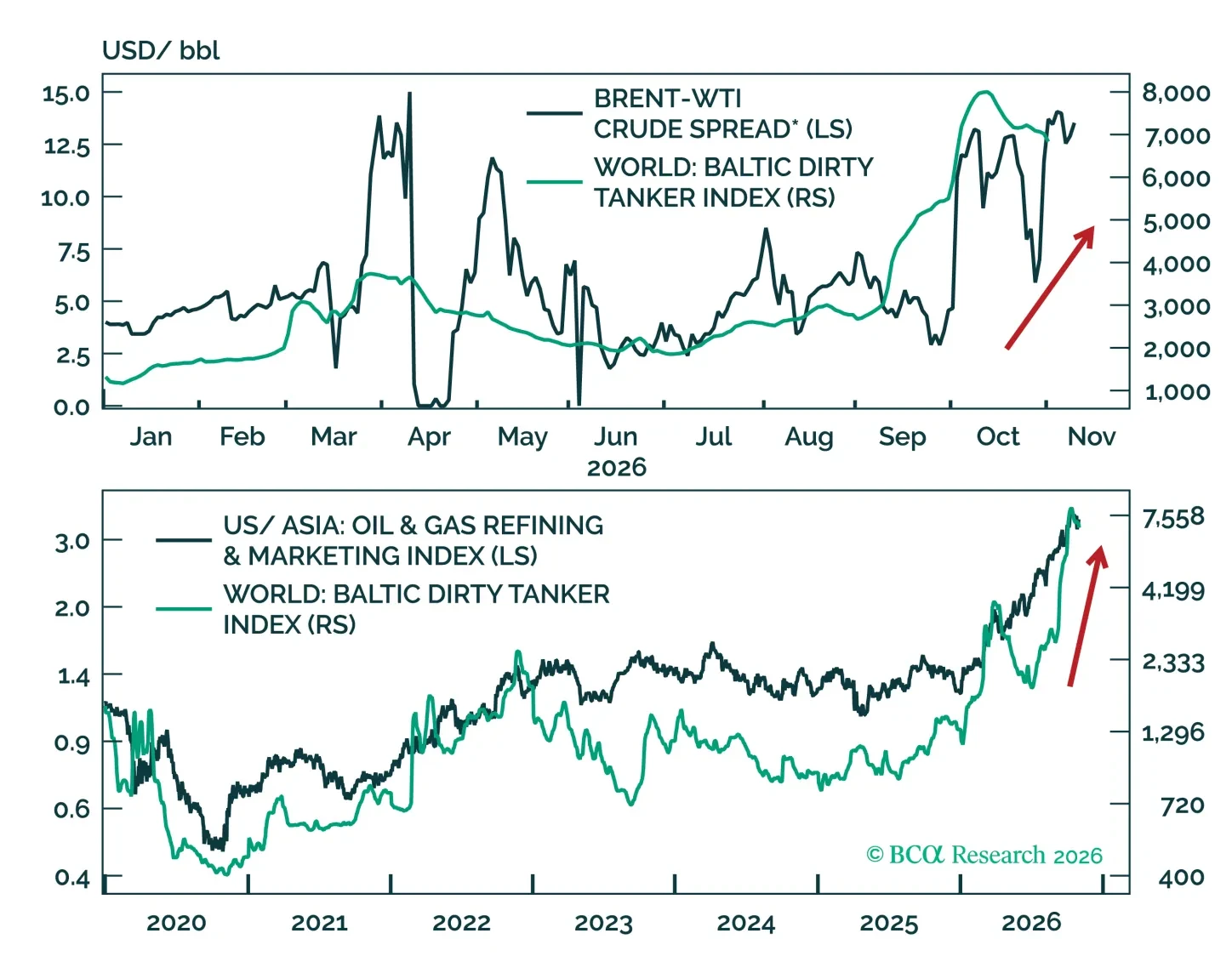
Commodities have diverged sharply in recent months. We explain why energy prices are likely to stay elevated after the US midterms, why gold’s slide should prove limited, and how we are positioning for the months ahead.

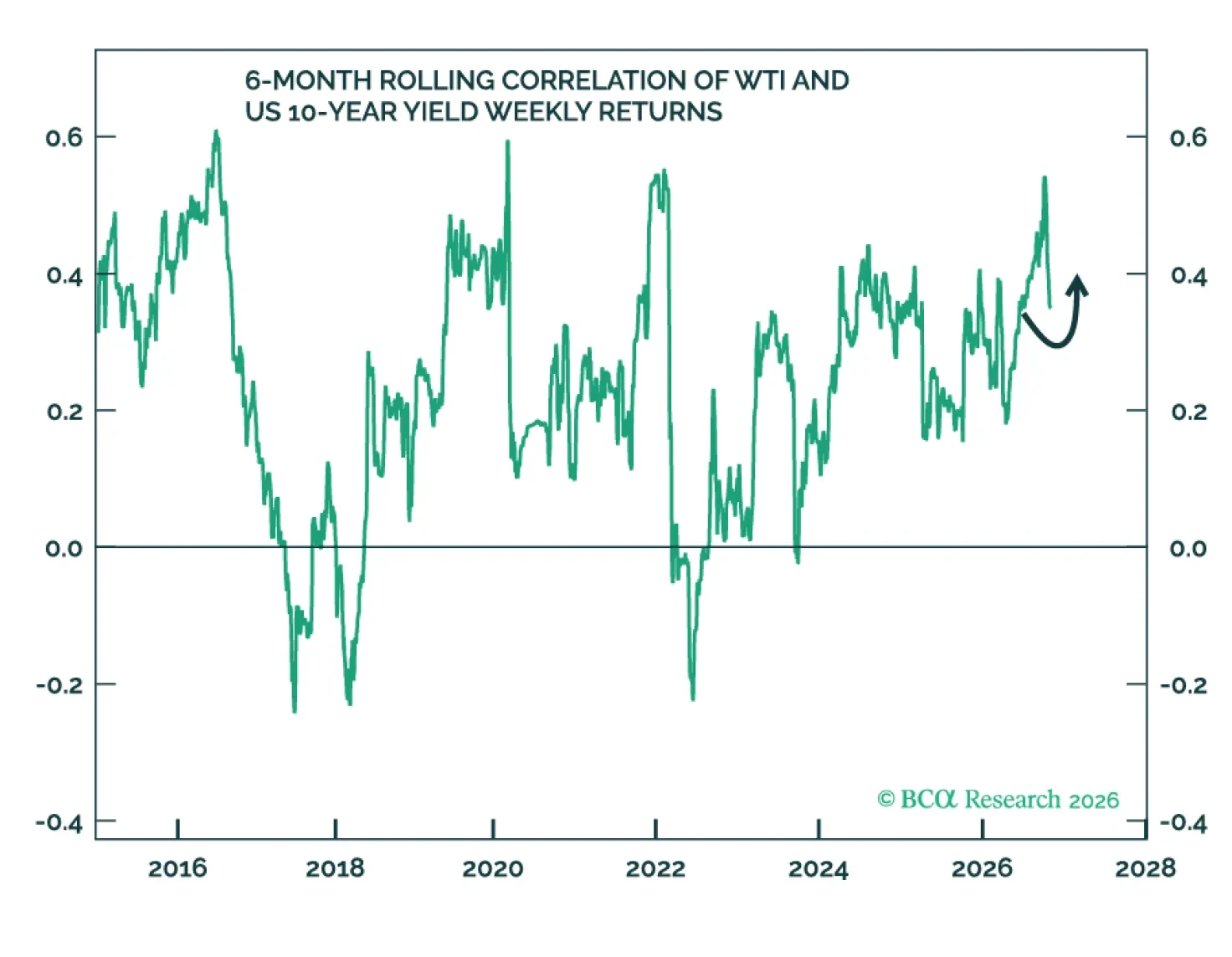
US Treasury yields have fallen below our fair value estimate as investors rotated out of AI equities and into fixed income. We lay out why near-term inflation risks argue for a rebound, and the tactical trades we initiate to position for it.

October saw a 0.9% decline in the S&P 500, dragged lower by Communication Services (-15.1%) and Information Technology (-6.8%). All other sectors delivered positive returns, led by traditional defensives – Health Care (+9.9%), Utilities (+10.2%), Consumer Staples (+11.6%) – and Energy (+14.0%). Although our overweight Tech call surrendered some performance during the month, IT has still gained 37% since the view was initiated on March 30, outpacing the S&P 500’s 20% advance.
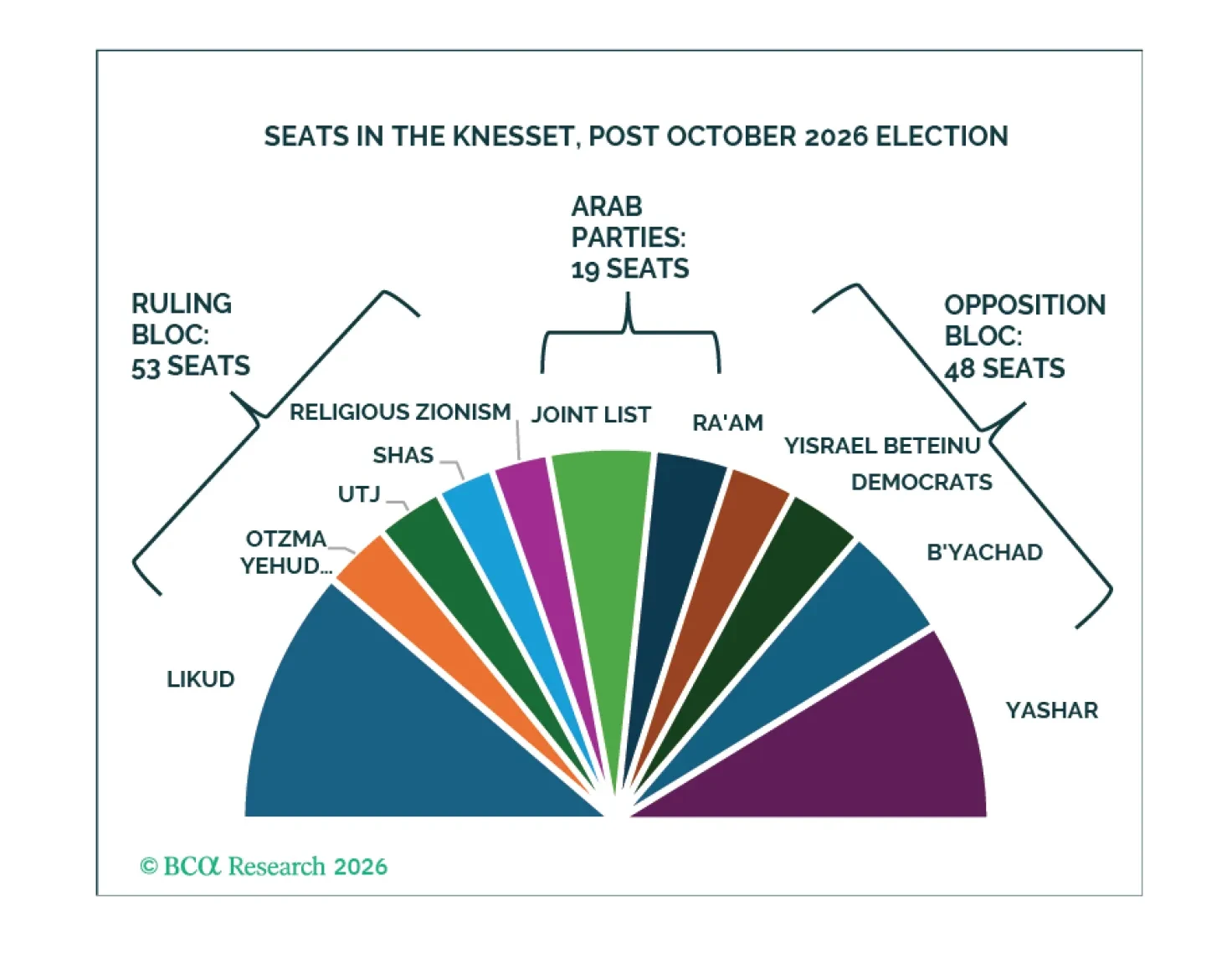
Another Netanyahu-led government would raise the risk of Israeli escalation and a major oil supply shock, while an opposition victory would reduce, but not eliminate, this risk due to its greater coordination with and deference to the US.