 GeoMacro
A blend of geopolitics and macro, synthesizing the new and old macro to generate alpha and identify the beta through probability-weighted market views.


It is not every day that we reference a Tucker interview as market relevant. His sit down with the VP candidate JD Vance caught our attention.

Investors should de-risk tactically in expectation of shocks and surprises ahead of the US election and an uncertain aftermath. Democratic victory with a gridlocked Congress is our base case but would bring minor tax hikes and nuclear brinksmanship with Russia. A Republican single-party sweep offers huge tax cuts but also a global trade war. Recession looms regardless.

Despite the disastrous performance by former President Trump in the debate with Vice President Kamala Harris, there are still paths for him to come back to power. The economy and global instability could flare up anytime between now and election day, while quirks in the Electoral College ensure that the election will be close. The race is still competitive and policy uncertainty and volatility will be elevated.

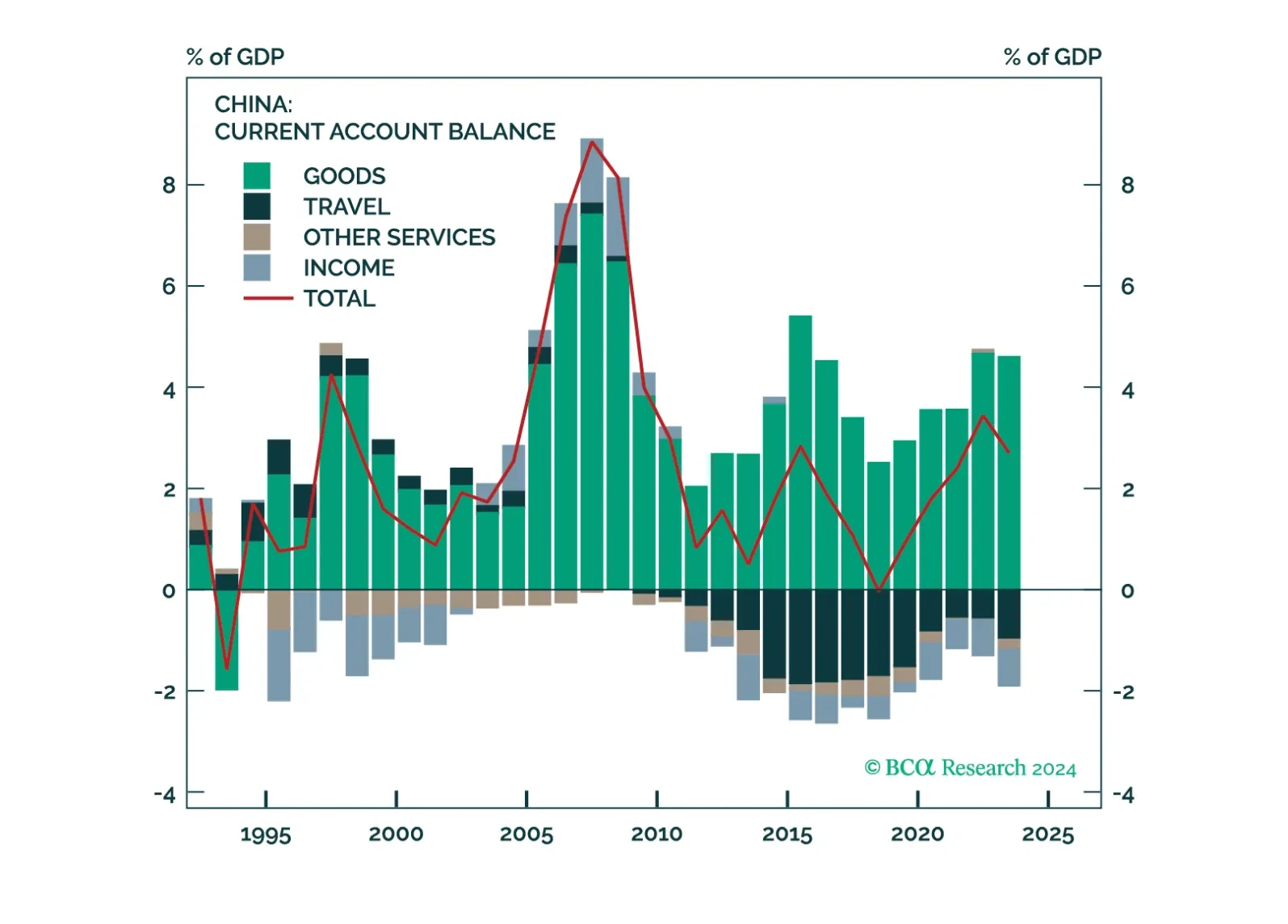
Waging trade wars in a global multipolar order is folly. The US trade war against China has been an utter disaster for Washington, DC. None of its goals have been accomplished, whereas Beijing is making significant inroads into new markets. Somewhat heretically, we suggest that American policymakers will eventually realize this reality and pivot towards a surprising new strategy.
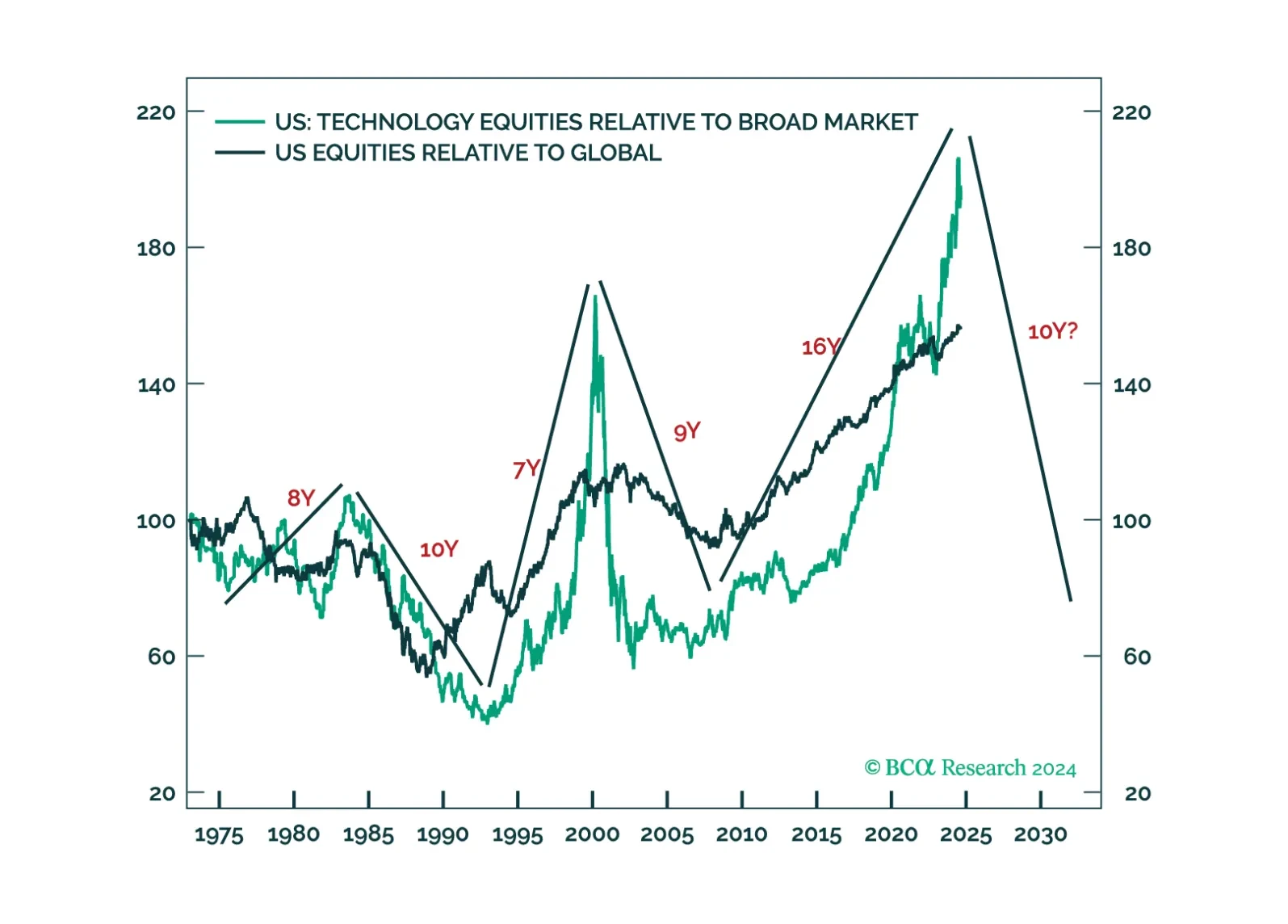
We remain concerned that the risk-reward for equities is limited above our end-of-the-year target of 5,500 for the S&P 500. There is seasonality to consider, as well as positioning and sentiment. As such, we are not necessarily bearish because a recession is certain. But, rather, that the upside to the AI mania is uncertain. Long term? The real bubble may be in America, broadly speaking. As such, more downside to USD could be ahead.

Democrats will not win a full sweep and implement drastic new tax hikes. However, our quant model still favors them to win the White House and just upgraded their odds. While we expect equity volatility around the election, investors do not need to worry about corporate tax hikes.


Investors should buy protection against further volatility. The shakeup in early August was a taste of things to come. The US election is a pivotal moment in modern history that will drive up uncertainty, while other countries take advantage of US division and distraction.